









Is Chula Vista, CA a Good City for a Tech Career in 2026?
By Irene Holden
Last Updated: February 26th 2026
Quick Explanation
Yes, Chula Vista is a smart choice for a tech career in 2026, offering a strategic 'premium side seat' with IT salaries averaging $113,000 and specialized roles in defense AI or logistics paying over $140,000. You'll benefit from more affordable housing and a growing industrial tech scene in Otay Mesa, balancing career opportunities with a better quality of life compared to San Diego's pricier northern hubs.
Conventional wisdom in tech careers pushes everyone toward the crowded, expensive center-stage hubs, much like fighting for a seat directly under the blinding spotlight at a major show. The relentless chase for roles in saturated areas like San Francisco or central San Diego often leads to fierce competition, sky-high costs, and a compromised daily experience, a sentiment echoed by professionals discussing the local limitations and trade-offs on forums like Quora.
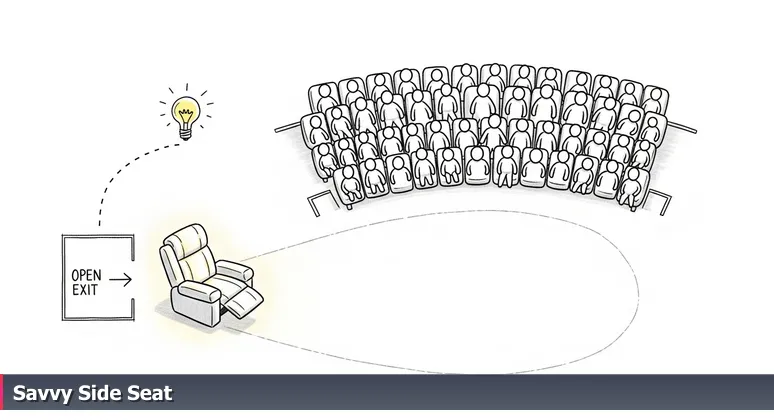
The real career hack isn't about winning that exhausting fight. It's about finding the adjacent space that delivers 90% of the show with 200% more comfort - the premium recliner on the side with ample legroom and a perfect sightline. For San Diego's tech theater, Chula Vista is that strategic seat. It offers direct access to a dynamic, growing segment of the ecosystem without requiring you to live in the most crowded and costly parts of the orchestra.
This approach requires a shift in perspective. Evaluating a tech city moves beyond a singular metric of "prestige" to a balanced calculation of access, lifestyle, and sustainable growth. While salaries here may be 15-20% lower than in the Bay Area, the significant trade-off comes in purchasing power and quality of life, especially when considering housing. It’s a savvy, counterintuitive strategy for building a lasting career, acknowledging realities like the "tough" commute to northern hubs that professionals on Reddit frequently cite, but choosing a base that makes that trade-off worthwhile for the long term.
What We Cover
- The Premium Side Seat Theory of Tech Careers
- What's Happening on San Diego's Southern Stage
- 2026 Salary vs Lifestyle in Chula Vista
- Defense AI and Autonomous Systems
- Aerospace and Advanced Engineering
- Logistics Robotics and Industrial Tech
- The Cali Baja Binational Ecosystem
- Commuting Realities and Career Models
- Is Chula Vista the Right Tech City for You
- The Verdict a Strategic Savvy Choice
- Common Questions
Discover how to break into AI in Chula Vista, CA in 2026 with local tips and data.
What's Happening on San Diego's Southern Stage
To understand Chula Vista's emerging role, you must first recognize the powerful economic forces reshaping the region. The primary tech clusters in North County are mature, creating a significant "spillover" effect where companies needing large, affordable footprints are looking south. The engine of this growth is the Otay Mesa industrial corridor.
Since 2020, Otay Mesa has accounted for a staggering 77% of all new industrial construction in San Diego County, according to commercial real estate analyses from Voit. The late-2024 completion of a massive 1.1 million square-foot Amazon fulfillment center is a visible symbol, but the trend is about advanced manufacturing, robotics, and the complex software powering modern supply chains - not just warehouses.
Simultaneously, the decade-long Chula Vista Bayfront Project is transforming 535 acres of waterfront into a massive mixed-use development. This project is a primary driver expected to bring an influx of new businesses and residents, creating nodes for retail-tech and smart city infrastructure. As local real estate experts at Redfin note, such developments are reshaping the city's economic future.
This paints a picture of a dynamic, industrial-adjacent tech satellite, not a sleepy suburb. The established presence of Naval Base San Diego further anchors a critical mass of defense and aerospace contractors right in the South Bay. Combined with a resilient "Professional, Scientific, and Technical Services" sector that weathers economic shifts, Chula Vista is becoming a strategic piece of San Diego's southern stage.
2026 Salary vs Lifestyle in Chula Vista
The true value of Chula Vista's "premium side seat" becomes clear when you run the numbers. The average salary for an IT professional here is approximately $113,723, according to local data from ZipRecruiter. For specialized, in-demand roles, the story is even more compelling: AI/ML engineers, data scientists, and senior developers can command salaries ranging from $140,000 to over $196,000, as reflected in broader tech salary trends reported by Robert Half.
This income meets a cost of living about 50% higher than the national average, with estimated monthly costs for a single person around $3,722. The crucial calculation, however, is one of purchasing power. While Chula Vista tech salaries may be 15-20% lower than in the San Francisco Bay Area, your ability to build wealth and stability is often significantly better here.
"Great work-life balance... Management is understanding of personal life and emergencies." - Employee Review, City of Chula Vista on Indeed.
The primary reason is housing. The median home price, while high nationally, represents a tangible path to homeownership - a prospect that feels like a distant mirage in Silicon Valley. You are effectively trading a slice of maximum salary potential for a substantially higher quality of daily life and long-term financial health. This balance is a form of compensation in itself, allowing professionals to invest in their lives outside of work.
Defense AI and Autonomous Systems
Proximity to Naval Base San Diego makes the South Bay a magnet for defense contractors working on some of the most cutting-edge applications of artificial intelligence. This is where futuristic concepts become operational reality, creating a strong local demand for specialized tech talent in machine learning, computer vision, and cybersecurity.
Companies like Shield AI, which pioneered AI pilots for aircraft, represent the vanguard of this sector. Your work here moves beyond theoretical models to systems that must perform reliably in mission-critical, high-stakes environments. This field is a prime example of the specialized, resilient tech growth occurring across San Diego, where AI integrates directly with physical hardware and national security infrastructure.
Career paths in defense AI and autonomous systems are diverse. You could be developing algorithms for unmanned maritime vessels, creating sensor fusion systems for perimeter security, or hardening networks against sophisticated cyber threats. These roles often require security clearances and offer stability, as they are tied to long-term government contracts and a sector noted for its economic resilience.
This specialization is buoyed by the broader industrial expansion in Otay Mesa, which provides the advanced manufacturing and testing facilities necessary to bring autonomous systems from code to concrete prototypes. For tech professionals fascinated by robotics and real-world impact, Chula Vista's defense corridor offers a direct pipeline to meaningful, tangible innovation.
Aerospace and Advanced Engineering
Adjacent to the defense sector lies a deep bench of aerospace and advanced engineering opportunities, representing a mature but stable pillar of Chula Vista's tech landscape. This is where technology takes physical form, specializing in the hardware and complex systems that enable flight for both commercial and military applications.
The legacy of pioneering firms like Rohr, Inc. - which revolutionized aircraft components - established a strong foundation. Today, giants like Collins Aerospace maintain significant local operations, offering careers in systems engineering, avionics, materials science, and advanced manufacturing. These roles often involve working on tangible products, from propulsion systems to cabin pressure controls, that must meet rigorous safety and performance standards.
This sector provides a different rhythm than consumer software. The development cycles can be longer and tied to major aircraft programs, but they offer remarkable stability and the satisfaction of contributing to large-scale, physically complex projects. Professionals in this field appreciate the clear connection between their engineering work and the final product soaring through the skies.
While offering interesting technical challenges, some senior engineers note that career advancement within smaller local divisions of larger firms can sometimes feel limited compared to the aggressive mobility of pure software hubs. However, for those seeking a long-term, specialized engineering path with strong ties to San Diego's established industrial and defense ecosystem, aerospace remains a compelling and reliable destination.
Logistics Robotics and Industrial Tech
The industrial explosion in Otay Mesa isn't just about square footage - it's about the advanced technology inside. This corridor is becoming a powerhouse for careers in logistics robotics, warehouse automation, and the industrial IoT software that powers modern, efficient supply chains.
This sector encompasses several high-growth tech specializations:
- Warehouse Automation & Robotics: Designing and maintaining the autonomous systems that sort, store, and move goods in massive facilities like the new Amazon fulfillment center.
- Supply Chain Optimization Software: Developing algorithms and platforms that streamline logistics, inventory management, and transportation routing.
- Industrial IoT & Sensor Networks: Building the connected systems that monitor equipment health, track assets, and gather real-time data from the factory floor to the delivery truck.
This tech-driven growth is a key part of the broader San Diego tech boom, representing the physical, operational layer of the digital economy. The sector is poised for sustained expansion as e-commerce demands and nearshoring trends accelerate, requiring smarter, faster, and more automated logistics networks.
The ecosystem is also nurturing its own innovators, with a growing roster of startups focused on industrial and logistics technology. Resources like local incubators and the broader Chula Vista startup scene listed on Built In provide pathways for entrepreneurs and engineers looking to build the next generation of tools that move the world's goods.
The Cali Baja Binational Ecosystem
Chula Vista's geographic position is its secret strategic weapon, serving as the northern anchor of the unique "Cali-Baja" binational innovation corridor. This creates a dynamic, cross-border tech ecosystem unlike any other in the United States, where companies strategically leverage talent and resources on both sides of the border.
In practice, this means tech firms often keep high-level R&D, management, and venture capital in California while utilizing Tijuana's deep pool of engineering talent for software development, advanced manufacturing, and hardware production. This synergy fosters unique and in-demand career paths that blend technical skill with international business acumen.
Professionals in this ecosystem may find themselves in roles such as:
- Managing distributed product development teams across two countries.
- Engineering software or hardware systems specifically designed for cross-border data compliance and logistics.
- Developing tech solutions that facilitate trade, supply chain visibility, and secure digital infrastructure between the US and Mexico.
This environment is actively cultivated by regional resources, including the Techstars San Diego accelerator powered by San Diego State University, which supports startups looking to leverage this binational advantage. For the savvy tech professional, understanding this corridor isn't just a geographic note - it's a career multiplier that opens doors to unique opportunities in international tech strategy and operations.
Commuting Realities and Career Models
An honest assessment of a Chula Vista tech strategy must address the primary friction point: the commute. The "premium side seat" has one caveat - the main action for many flagship tech roles remains 20-40 miles north in Sorrento Valley and La Jolla. As professionals on forums like Reddit's Moving2SanDiego have pointed out, a daily drive to these hubs can be a "tough" and "crowded" reality, easily consuming 90 minutes or more round-trip.
This geographic reality is why some analyses, like one cited by Fox 5 San Diego, have ranked Chula Vista lower for starting a career, citing fewer local "Professional Opportunities." Therefore, your successful strategy likely fits one of three models:
- The Local Role: Working for a defense contractor, logistics tech company, engineering firm, or public sector entity like the City of Chula Vista, where employees report a strong sense of work-life balance.
- The Hybrid/Remote Role: Working for a San Diego-based or fully remote company but commuting to a central office only 1-3 days a week, turning a potential daily grind into a manageable trade-off.
- The Commuter Role: Accepting the drive for a specific, high-value role in North County, betting that the salary and career growth outweigh the lifestyle cost - a calculated decision many make.
Your choice among these models defines the day-to-day experience of your "premium seat," balancing career access against personal time and sanity.
Is Chula Vista the Right Tech City for You
Best For Strategic Specialists & Balanced Living
Chula Vista in 2026 is best for tech professionals with specific goals. It excels for engineers in defense, aerospace, and industrial systems who want to work on tangible, mission-critical tech. It's ideal for those seeking homeownership and family life, prioritizing space, good schools, and a more relaxed suburban pace over urban density. Hybrid and remote workers who can tap into the broader market while enjoying lower costs will find exceptional value here.
The city is also a strong match for specialists in AI, ML, and cybersecurity, particularly those interested in defense or logistics applications where local demand is sharp. Entrepreneurs eyeing the binational market will see the "Cali-Baja" corridor as a unique business advantage, supported by a growing roster of local tech startups.
Less Ideal For Traditional Tech Hub Seekers
Conversely, Chula Vista may not be the ideal launchpad for everyone. Career-starters seeking a high density of opportunities for rapid job-hopping may find the local roster of flagship tech HQs limited compared to central San Diego. This aligns with studies that have ranked it lower for starting a career due to fewer immediate "Professional Opportunities".
It may also not suit the pure software purist seeking the campus life of a major consumer tech or social media company, as those vibes remain concentrated farther north. Most critically, it is challenging for anyone completely unwilling to commute, as accessing the widest array of roles still often involves a potential drive.
The Verdict a Strategic Savvy Choice
Looking at the 2026 landscape, Chula Vista represents a sophisticated, calculated choice for a tech career. It's a strategic bet on specific, growing sectors like defense, advanced engineering, and logistics, paired with a commitment to a sustainable lifestyle. This approach is particularly savvy in a national tech market characterized by disruption and hyper-competition.
The narrative that Chula Vista is merely a "bedroom community" is outdated. It is an evolving innovation satellite, buoyed by generational investments in Otay Mesa, the strategic value of its military adjacency, and its role as a binational tech bridge. While broader regional job growth has steadied - with San Diego County adding 62% fewer jobs in 2025 than the previous year - the foundations here are built on resilient industries less susceptible to boom-and-bust cycles.
This makes Chula Vista a compelling answer to the uncertainties of the modern tech landscape. In an industry where over 600,000 layoffs have occurred since 2021, making the market "hyper competitive" as noted in analyses of the 2026 job search, choosing a location with lower volatility and a clear path to stability is itself a career advantage.
So, as the crowd continues to jostle for the crowded, overheated center seats under the spotlight, the savvy tech professional might just find themselves settling into Chula Vista's premium side seat. They'll have an excellent view of the entire San Diego tech show, the legroom to build a life, and the quiet satisfaction of having discovered a better, more sustainable way to experience the performance.
Common Questions
Is Chula Vista, CA actually a good place for a tech career in 2026?
Yes, it can be an excellent strategic choice, offering a 'premium side seat' in San Diego's tech ecosystem with strong sectors like defense AI and logistics. For example, the average IT salary here is projected to be around $113,723 in 2026, and it balances career opportunities with a better quality of life compared to more crowded hubs.
What can I expect to earn in a tech job in Chula Vista?
Salaries are competitive, with AI/ML engineers and data scientists earning $140,000 to over $196,000 in the region. While this might be 15-20% lower than Bay Area salaries, the lower housing costs in Chula Vista often result in better overall purchasing power.
How affordable is it to live in Chula Vista on a tech salary?
Living costs are about 50% higher than the national average, with estimated monthly expenses of $3,722 for a single person. However, tech salaries help make it manageable, and homeownership is more feasible here than in pricier areas like Silicon Valley.
What types of tech jobs are most common in Chula Vista?
The city excels in defense AI, aerospace, and logistics tech, thanks to proximity to Naval Base San Diego and growth in areas like Otay Mesa. There's also a growing binational ecosystem with Tijuana, creating roles in cross-border innovation and industrial tech.
Will I have to commute far if I work in tech in Chula Vista?
Commuting to northern hubs like Sorrento Valley can take 90 minutes or more round-trip, but many local roles in defense or logistics reduce this need. Hybrid or remote work options are also common, making the commute manageable for those targeting specific high-value jobs.
Discover how to find and join AI meetups in Chula Vista to boost your career.
This review covers the best AI training programs in Chula Vista for 2026.
This guide highlights the leading AI startups in Chula Vista and their strategic advantages in the region.
Explore how tech salaries compare to living expenses in Chula Vista in 2026 in this detailed article.
This guide explains paying for tech education with scholarships and grants in Chula Vista step by step.

Irene Holden
Operations Manager
Former Microsoft Education and Learning Futures Group team member, Irene now oversees instructors at Nucamp while writing about everything tech - from careers to coding bootcamps.